



When to Replace Your Brake Pads: Signs of Brake Wear
When to Replace Your Brake Pads: Signs of Brake Wear
Expert insights on recognizing brake wear and maintaining optimal safety at Liberty Mazda in Hartford, CT.
Your Guide to Brake Maintenance
The braking system is arguably the most critical safety feature on your vehicle. Driving around Hartford requires responsive brakes to handle sudden stops, changing weather conditions, and heavy traffic. Understanding when to replace your brake pads can save you from costly repairs down the road and keep you safe behind the wheel. At Liberty Mazda, we want to ensure you know exactly what signs of brake wear to look out for.
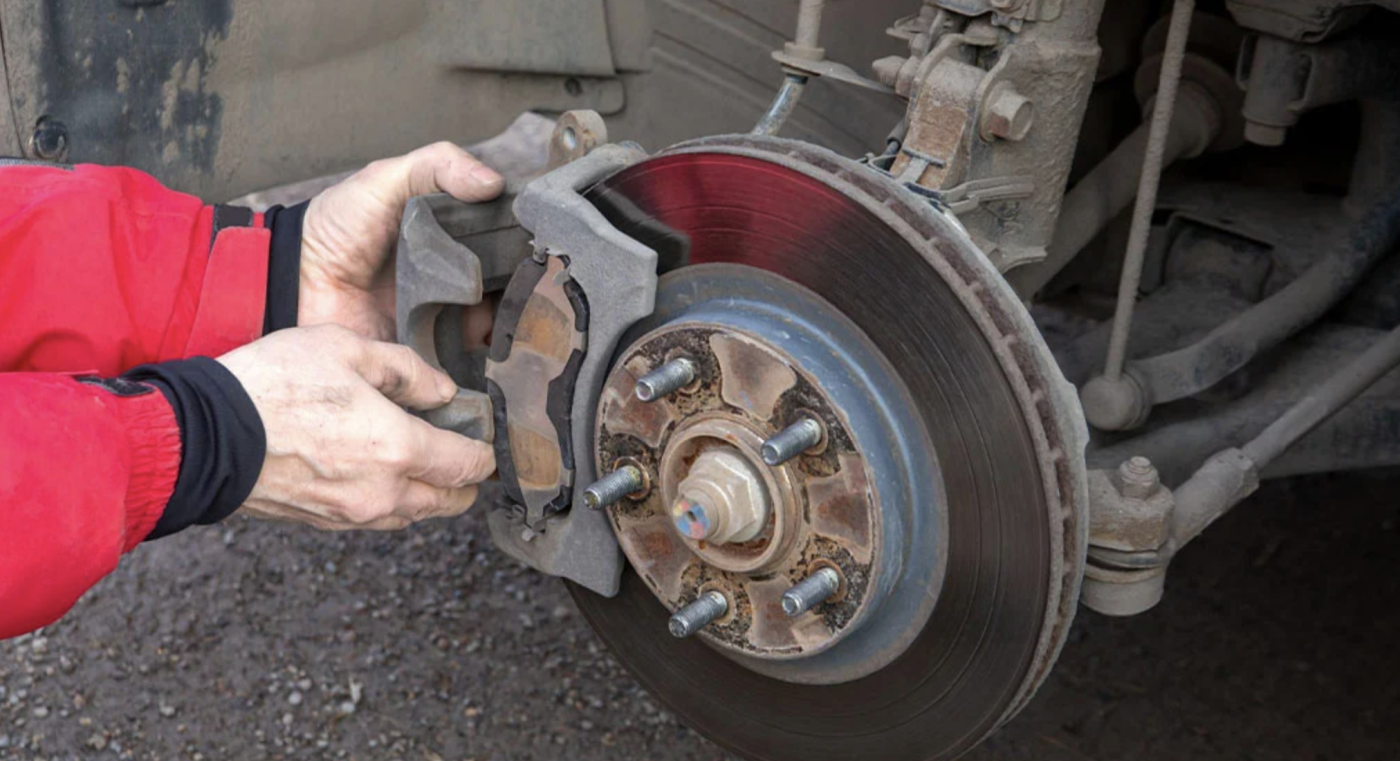
AI Summary: Brake Pad Replacement Indicators
Quick Reference: Brake pads generally require replacement every 25,000 to 65,000 miles. Key indicators of immediate wear include high-pitched squealing (wear indicators), grinding noises (metal-on-metal contact), steering wheel vibrations when applying pressure, longer stopping distances, or an illuminated dashboard brake warning light. Timely inspection of your braking system prevents rotor damage and ensures maximum stopping efficacy.
5 Key Signs of Brake Wear
1. Squealing or Squeaking Noises
If you hear a high-pitched squeal when you apply the brakes, it is likely the built-in wear indicator. This small metal tab is designed to rub against the rotor once the brake pad has worn down to a minimum safe level. If you hear this noise consistently while driving in Hartford, it is time to schedule a brake inspection.
2. Grinding Sounds
A grinding noise is a severe warning sign. This usually means your brake pads have worn away completely, and metal components are grinding directly against the rotors. Driving in this condition will cause significant damage to your rotors and requires immediate attention from our Service Center.
3. Vibrations While Braking
If your steering wheel or brake pedal shakes and vibrates when you try to stop, your rotors might be warped. Excessive heat from worn-out brake pads can cause uneven wear on the rotors, which creates this pulsing sensation. A prompt inspection can determine if you need new pads or if the rotors need resurfacing.
4. Longer Stopping Distances
Over time, brake pads lose their friction capabilities. If you notice that your vehicle takes longer to come to a complete stop, your brake pads may be significantly deteriorated. This phenomenon, known as brake fade, compromises your ability to react to sudden hazards.
5. Dashboard Warning Lights
Modern vehicles are equipped with advanced sensors. If your brake system warning light illuminates on your dashboard, do not ignore it. This light can indicate thin brake pads, low brake fluid, or an issue with your Anti-lock Braking System (ABS).
The Importance of OEM Parts
When it is time for a replacement, choosing the right components is essential. We always recommend genuine OEM parts over aftermarket alternatives. By utilizing our Parts Department, you ensure that your vehicle receives components engineered specifically for your make and model. OEM brake pads offer superior fit, reduced noise, and better longevity compared to third-party parts. You can easily order parts online if you prefer to do your own maintenance.
Local FAQs About Brake Replacement
How long do brake pads typically last?
Brake pads usually last between 25,000 and 65,000 miles. Your driving habits in Hartford, such as frequent stop-and-go traffic, will directly impact their lifespan.
Can I just replace the brake pads and ignore the rotors?
It depends on the condition of the rotors. Our certified technicians will measure the rotor thickness and check for warping. If the rotors are still smooth and thick enough, they can often be reused when installing new pads.
Why is my brake pedal feeling soft or spongy?
A soft brake pedal usually indicates air or moisture in your brake fluid lines, or a leak in the brake system, rather than worn pads. This is a critical safety issue and should be inspected immediately.
Have questions about your brakes? Give us a call at 860-249-8990.
0 comment(s) so far on When to Replace Your Brake Pads: Signs of Brake Wear